Werewolf: A Cute Horror Display Font for Maker Projects
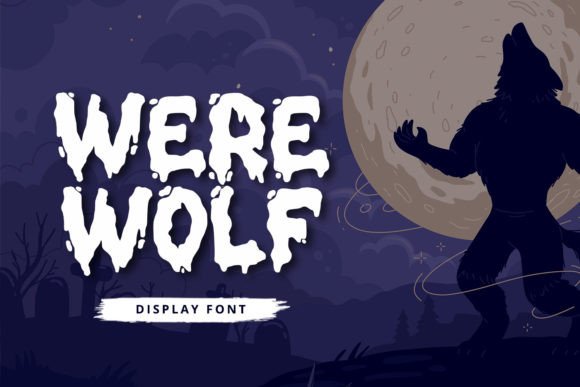
Last week I sat down with a batch of new soy candle jars and a fresh vision for my shop’s seasonal line. The labels had to feel equal parts cozy and unexpected — something that would catch the eye on a crowded market table. That’s when I installed Werewolf, a stunning horror display font with cute and playful feels, and started tweaking my first mockup. The moment I typed “Moonlit Pumpkin” in those chunky, slightly jagged yet rounded letters, I knew this typeface would rewrite how I approached boutique packaging. It wasn’t just a font; it felt like a personality I could pour into every product.
As a maker who prints everything from greeting cards to sticker sheets at home, I’ve learned that the right display font can make a design feel intentional and premium almost instantly. Werewolf surprised me with its balance of spooky charm and friendly whimsy — imagine a letterform that hints at something mischievous but stays completely inviting. In this hands‑on review, I’ll walk you through how this creative font behaves on real craft materials, where it shines brightest, and what I’d keep in mind before hitting “cut” on a Cricut mat.
Crafting with Werewolf: A Display Font That Elevates Candle Labels and Packaging
When I first tested Werewolf as a primary display font for my candle labels, I realized how easily this font bridges the gap between horror‑inspired branding and approachable maker style. Many display fonts lean too heavily in one direction — either overly gothic or too childish — but Werewolf holds a sweet middle ground. I paired “Haunted Honey” in Werewolf with a clean sans serif font for the scent notes and net weight, and the result was a candle label that looked cohesively branded without overwhelming the glass jar. The lettering gave the packaging a boutique‑grade finish that felt playful enough for Halloween yet polished enough for everyday home décor.
What I noticed immediately was how the font’s personality transformed the perceived quality of the whole product. Using Werewolf for the focal product name gave my handmade candles a distinct identity that a generic serif font could never achieve. Even on simple kraft sticker paper, the ink held the quirky serifs and tiny “fang‑like” terminals beautifully, without blurring. The packaging felt intentional, and because the color palette was neutral creams and burnt oranges, the font’s soft edge never turned too scary. For small‑batch makers, this one display font can become the face of a seasonal collection, appearing on jar lids, belly bands, and shopping tags with equal confidence. I also tested it on a simple baker’s twine‑hung card stock tag — just the word “Boo” — and it instantly felt like a mini piece of wall art customers would keep.
Werewolf on Greeting Cards, Invitations, and Printable Wall Art
Working Werewolf into greeting card and invitation designs confirmed its strength as a display font that thrives on short, emotional phrases. For a Halloween party invitation mockup, I set “Let’s Get Spooky” in Werewolf across the top of a 5×7 inch printable design, then layered it over a watercolor moon background. The result was delightful — the letterforms felt hand‑drawn but crisp enough to print on textured cardstock. Unlike some distressed horror fonts that lose legibility at moderate sizes, Werewolf stayed readable and inviting, which matters when someone is skimming a fridge‑hung invite.
When I pulled the same design into a printable wall art setup, “Home Is Where the Haunt Is” in Werewolf gave my PDF download that coveted modern farmhouse‑meets‑spooky vibe. The font’s cute‑playful feel softened the horror theme just enough to make it work for a children’s playroom or a cozy entryway. I found that pairing Werewolf with a delicate handwriting font for secondary lines (like date or location) created a nice contrast without competing. Print‑on‑demand testing also proved its commercial potential; the PNG mockups I generated for my shop listings instantly communicated the mood before a buyer ever read the details. For crafters selling instant download wall art or invitation templates, Werewolf becomes a design asset that communicates emotion before customers even read the words. Its bold but approachable shapes perform especially well in thumbnail previews, catching browsers in search results and encouraging clicks.
Designing Apparel and Merchandise with Werewolf’s Spooky-Cute Charm
Taking Werewolf onto clothing and merchandise mockups showed me how this display font interacts with fabric textures and larger‑scale imprinting. I mocked up a unisex tee with “Creepin’ It Real” set in Werewolf across the chest, and the typography translated beautifully to a screen‑print‑style aesthetic. The slightly irregular letter widths gave the design a bespoke look, the kind of thing you’d expect from a limited‑run artist drop rather than a basic word tee. When I tried it on a canvas tote bag with a simple silhouette of a wolf howling, Werewolf tied everything together — the logotype felt like part of the illustration.
For makers exploring logo design and logotype for their shop, the font offers a unique identity. A candle brand called “Howling Moon” rendered in Werewolf immediately feels like a complete brand story, no additional illustration required. The playful horror energy works on enamel pin packaging, embroidered patches, and even lowered‑opacity watermarks for product photography. I also tested the font on a set of small clothing hang tags for a kid’s Halloween line; the soft sweater‑knit texture in the background didn’t distract from the letterforms at all. From a production standpoint, Werewolf’s web‑friendly display quality means that whether you’re using it for social media graphics, listing images, or print‑ready merch, the visual punch stays consistent. Just remember to convert your text to outlines before sending files to a print partner, and check the included license terms — many handmade‑friendly font creators allow full physical product use, but it’s always good practice to confirm.
Small‑Scale DIY: Werewolf for Stickers, Planner Pages, and Vinyl Cuts
No craft font review would be complete without a cutting machine test, so I loaded Werewolf into Cricut Design Space and Silhouette Studio for a sticker and vinyl experiment. Straight out of the box, this display font held its own on planner sticker sheets and single‑color kiss‑cut designs. I created a sheet of functional planner headers with phrases like “Spooky Season To‑Dos” and “Full Moon Goals,” and even at around 1.2 inches height, the cuts were clean and the counters didn’t fill in. The lighthearted yet eerie lettering gave an otherwise boring checklist page a surge of personality without demanding too much space.
That said, I wouldn’t push Werewolf below about 0.8 inches for intricate sticker work. The decorative terminals and irregular strokes can get dicey when your blade has to navigate tiny interior cuts. For very small sticker circles or label corners, I paired Werewolf with a simple sans serif font for the main details and used the display font only for the headline word. If you do need Werewolf on a mini sticker, try adding a slight offset in your software to thicken the letterforms and give the blade more room. The same principle applies to heat‑transfer vinyl for shirts or tote bags — the font’s thicker parts weed easily, but narrow connections benefit from a slightly enlarged cut line. Overall, Werewolf is a highly usable creative font for planner spreads, scrapbook titles, and pop‑up shop freebies, as long as you respect its scale sweet spot.
Pairing Werewolf with Clean Sans Serif Fonts for Polished Branding
One of the smartest moves I made while testing Werewolf across my product range was intentionally pairing it with clean sans serif fonts to build a balanced brand identity. For shop headers and product packaging backs, I used Werewolf for the brand name or product title, then let a neutral sans serif (like Montserrat or Lato) carry the weight of descriptive copy and care instructions. This combination gave my packaging a polished, editorial quality without stealing the handmade charm. The sans serif kept all the important legal and usage info crisp and readable, while Werewolf did the emotional storytelling.
I also experimented with blending Werewolf into a mix of typography for a wedding welcome sign mockup. The phrase “Happily Howling Ever After” in Werewolf paired beautifully with a delicate serif for the couple’s names and a handwritten script font for the date. The result felt intentional and high‑end, the kind of signage you’d hire a calligrapher to create. The same layered approach worked wonders on printable art, where a bold display font like Werewolf can serve as the anchor, supported by smaller secondary fonts. If you’re designing a full brand identity for a clothing line, boutique, or subscription box, think of Werewolf as your hero display font — the voice that shouts while a supporting sans serif or serif typeface whispers the details. This font‑pairing discipline not only improves legibility but also boosts the perceived value of your design assets and mockup presentations.
Creative Boundaries: When to Use Werewolf and Where It Won’t Work
After putting Werewolf through these maker‑driven tests, it’s clear this display font is an absolute star for short‑form headlines, product names, and decorative touches. It performs brilliantly on candle labels, event invitations, apparel slogans, and any print material where a phrase needs to carry emotional weight. The playful horror aesthetic stays unique—your “Ghoul’s Night In” coffee mug won’t look like everyone else’s generic Halloween font. However, Werewolf is not designed for long paragraphs, dense ingredient lists, or small‑print legal disclaimers. Pushing it into body copy will strain readability and distract from the message. Similarly, if you’re creating technical product instructions or a multi‑page booklet, keep Werewolf for the cover or chapter titles only.
For makers working with cutting machines, the main limitation is scale. Below that 0.8‑inch threshold, you risk losing the letterforms’ charm and having weeding nightmares. I’d also avoid using Werewolf for very small product tags with a lot of required information—pair it with a legible sans serif font for the fine print instead. On the commercial side, I always recommend checking whether the font license allows use on digital downloads, print‑on‑demand merchandise, and SVG‑compatible files before you list a new product. Many foundries and indie designers explicitly permit these uses, but confirming upfront saves headaches. Overall, Werewolf’s strengths greatly outweigh its creative limits, and as a display font built for personality, it’s one I’ll keep permanently loaded in my design software for every season that calls for a touch of cute‑horror magic.
Werewolf has earned a permanent spot in my maker toolkit, ready to jump onto the next candle jar, tote bag, or greeting card that needs a dash of spooky charm.